
Emergency contact, 24/7: +44 (0) 7957 406401

The 10th of October marks World Mental Health Day: an international awareness campaign to educate the public, challenge stigma, and mobilise voices, resources, and efforts to improve mental health understanding and actions around the world.
Aligned with this year's theme, "Lived experiences heard: real voices, real change”, we have asked leaders from across the IntrospeXion community to share their thoughts, insights, and advice on how we create workplaces that prioritise the mental health and wellbeing of teams and colleagues.
Through the 1:1 psychological support we provide to employees across the world, we see first-hand how much people value hearing from senior leaders they respect and look up to. Sometimes the advice that has the greatest impact is simply hearing that someone they perceive to be “at the top” has faced similar pressures, challenges or moments of uncertainty.
Here is what they had to say...
What is one thing you believe the energy industry must change to better protect its people?
That’s a great question and one that is difficult to answer in such a complex area. However, I think if I could change one thing, it would be to work on making psychological safety as embedded in our culture as physical safety.
The energy industry has become world-class at protecting people from physical harm. We now need the same focus on ensuring people feel safe to speak up about stress, fatigue, mental health, and workload pressures. When people can have those conversations without fear or stigma, both wellbeing and safety improve.
If you could give every employee one piece of advice about mental health or workload, what would it be?
My advice, first and foremost, for the leaders and managers: when times are tough, most leaders and managers tend to shy away from talking to their staff. They know they will get complaints, and nobody likes feedback that reflects on them negatively. In fact, it is really important when times are tough to make significantly more time to listen to your people. Simply listening and showing that you also struggle from time to time, having a dialogue with them, without necessarily coming up with the answers or solutions.
Secondly, we tend to ask a question and expect that people answer this immediately and that you then understand them better. You will have to ask many more questions to hear and understand later that the first answer is likely not the issue they are concerned about. Ask, ask, and ask before you understand. This is also aligned with one of the seven habits of highly effective people of Stephen R. Covey: seek to understand before being understood.
Last but not least, focus on the middle management in the company. They have a very difficult job and often manage many reports and field crews. They hear all the issues, and they have to solve them. Companies should really value middle management much more. Unfortunately, we promote high-quality middle management too quickly to higher management, whereas we need them to stay longer in the middle management role. We should reward them a lot better for what they do and what they are faced with all the time.
In general, we should respect operational people much more. They run the projects and are the most valuable asset in the company, and they should feel this all the time.
How do you recognise when your people are struggling?
It's not always obvious when people are struggling - we are all very good at masking our feelings at work! If I notice a change, or someone seems withdrawn, I'll check in with them.
We can all have 'off' days, and I am also very aware that not everyone wants to share their issues; however, keeping lines of communication open (even a quick WhatsApp to say 'I'm here if you need to talk') can help. Being there to listen and support is essential - sometimes we just need to know we are heard in a safe space.
If someone needs additional support, knowing who to seek help from and which professionals can support them is important.
What is the biggest psychological risk facing your workforce today?
The biggest psychological risk facing the workforce is generally 'fear'. Creating a workspace where people can communicate openly (with care), raise business risks, make novel mistakes, and express themselves can mitigate this risk, and these are some of the conditions of high performance.
Critically, though, as leaders, we need to do the same and be authentic, humble, and honest enough to share these experiences.
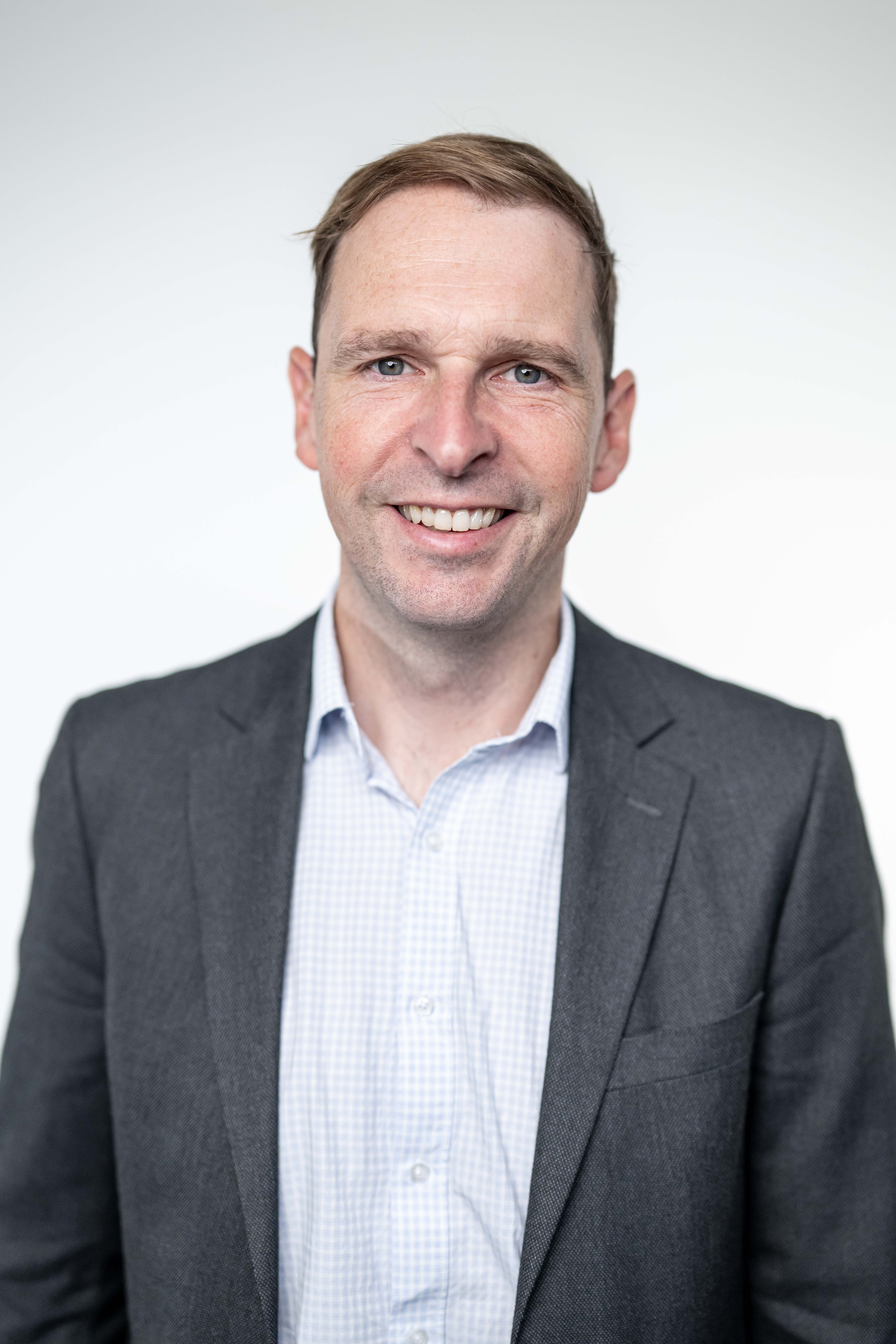
If you could give every employee one piece of advice about mental health or workload, what would it be?
There is another side to this, and I was glad to see this question asked. It often feels like many employees are seeking all the answers from the business. This is an imbalanced approach, and they must recognise that they have a responsibility to themselves and their colleagues. That includes their performance. Being cognisant that employment law and organisational policies often seek fairness and consistency of approach; however, fairness doesn’t equate to treating everybody identically.
Comparing treatment of colleagues, especially based on perceptions, is a quick way to demoralise yourself and others around you. It’s also worth remembering that leaders can only act on the basis of the information they are given; unsurprisingly, we have often only been provided with part of the background rather than the full picture.
What appears to be inconsistency may be reflected in what leaders have been told – don’t assume that people are open with all the facts all the time. Learn to recognise your own signals, know what pressure feels like, and when it is a motivating versus overwhelming feeling. Talk to someone early, but also recognise that developing the ability to deal with pressure is also part of personal growth. We do this as we mature into adulthood in our family lives; it’s essential we do so in our careers too.
Ultimately, we are all seeking the same thing – a workplace where people are challenged without being broken, supported without being disempowered, and trusted to own responsibility for the demands placed upon them.

What is the biggest psychological risk facing your workforce today?
In the energy sector, and particularly across the Middle East, people work against a backdrop of geopolitical tension, changing travel patterns, operational disruption, and significant client pressure. What concerns me most is that when that pressure starts to feel normal, people can quickly move into a constant state of reacting, fixing, and supporting others without stopping to consider the impact it has on them personally.
During the recent regional tensions, we were very conscious of that as our teams were supporting understandably anxious clients, managing disrupted travel, and making sure people could move safely, while also dealing with the same uncertainty themselves. For me, that is where leadership becomes important; we have had to make sure our people knew they were supported too, not just expected to keep delivering regardless during a crisis.

How do you recognise when your people are struggling?
There is rarely a single indicator. We look for changes in behaviour rather than just performance. Common signs include withdrawal from colleagues, reduced engagement, increased irritability, fatigue, missed deadlines, loss of confidence, or noticeable changes in communication patterns.
More importantly, we try not to rely solely on warning signs. Regular conversations between managers and employees, an open-door culture, wellbeing initiatives, and access to Mental Health First Aiders help us identify concerns before they become more serious.
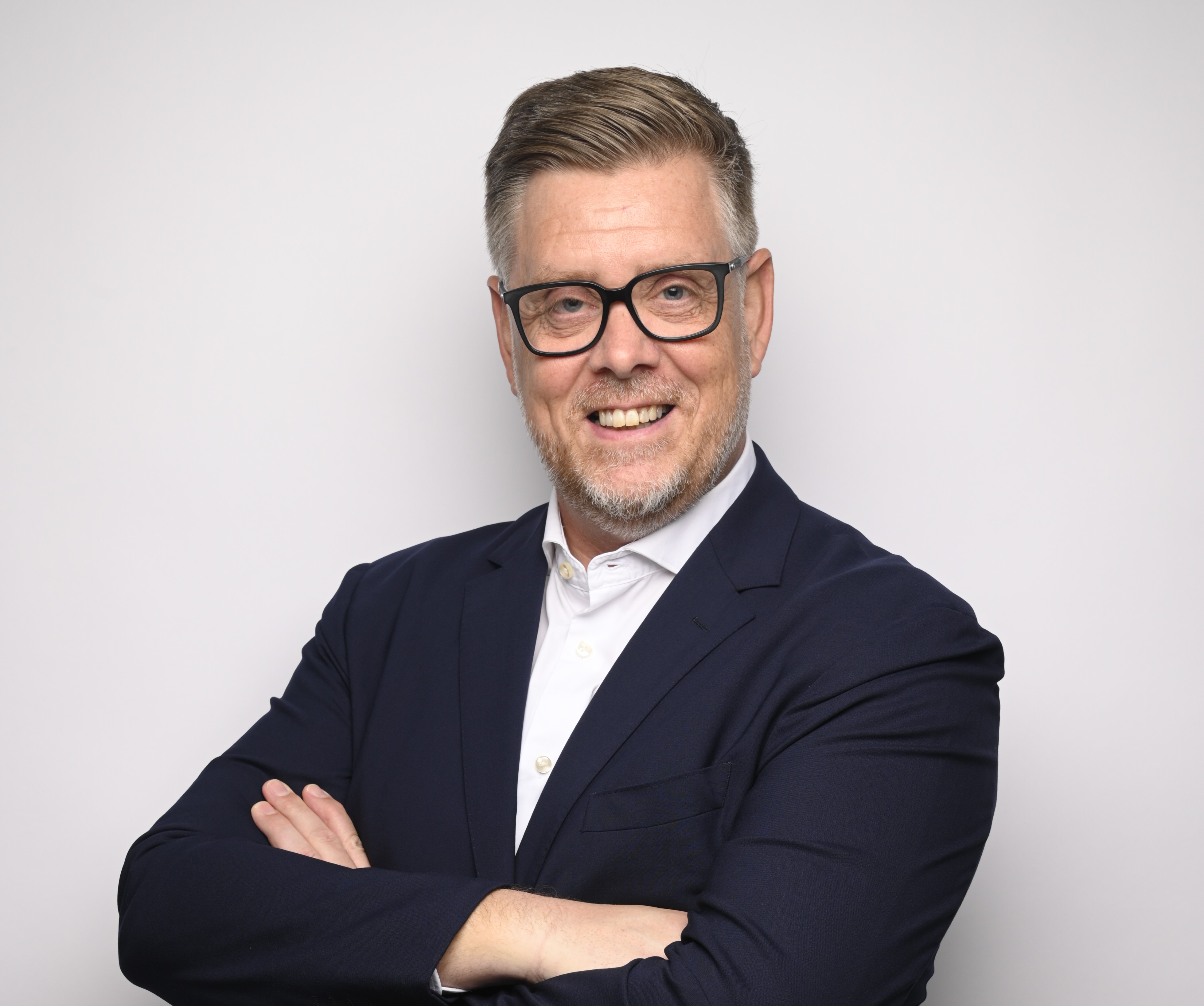
What is one thing you believe the energy industry must change to better protect its people?
Mental health must be treated with the same importance and urgency as physical safety.
The oil and gas industry needs to move away from a negative mindset around safety. Safety is not just about preventing incidents, investigating failures, or reporting unsafe behaviours. It is equally about creating the conditions for people to succeed, perform at their best, and go home safe every day.
A football team does not become a UEFA Champions League winner simply by reviewing its mistakes after every match. Winning teams thrive in a positive environment where players are supported, trusted, and able to focus on performing at their best. The same principle applies to the workplace.
Our goal should not only be to identify what goes wrong, but also to understand and reinforce what goes right. When workers feel engaged, supported, and free from unnecessary distractions, they can focus their minds on doing the job well.
.jpg)
What responsibility should leaders take for their employees’ mental health?
To try and prevent ill mental health in the first place. We can't just wait for distress or ill health to occur before we do anything; we need to be proactive in how we support our colleagues, teams, and friends.

What responsibility should leaders take for their employees’ mental health?
I believe leaders in construction have a clear responsibility to create an environment where people feel supported, valued, and comfortable speaking openly about their mental health; good leadership is about more than programme, performance, and results.
It is about knowing your people, recognising when someone may be struggling, and creating a culture where it is okay to speak up. We are not expected to be mental health professionals, but we should have the confidence to start a conversation, listen without judgement, and help people access the right support.
Ultimately, looking after our people means protecting both their physical and mental wellbeing.
.jpg)
More information about World Mental Health Day can be found online: www.mentalhealth.org.uk/our-work/campaigns/world-mental-health-day
Ready to chat?


IntrospeXion
23 Rubislaw Den North
Aberdeen
AB15 4AL
IntrospeXion Ltd is registered in Scotland. Registration number SC821466
© IntrospeXion Limited 2024. All Rights Reserved
Website design and build by Rocket Five Design


